
Mortal
histories.
Seven cases of injury and illness from the ancient and medieval world, examined through surviving accounts and modern medicine.
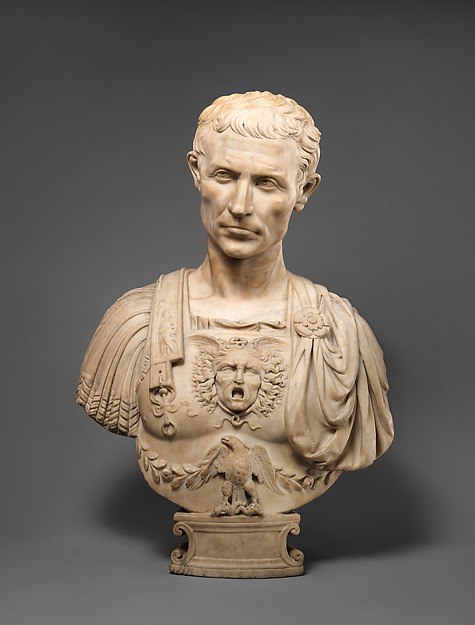
The second wound
Antistius singled out a wound to the chest. What could a modern trauma team have changed?
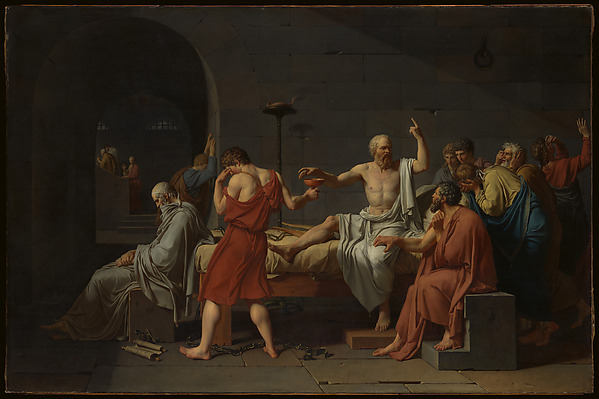
The last cup
The prison at Athens, and a poisoning that modern respiratory support might have made survivable.
Read the case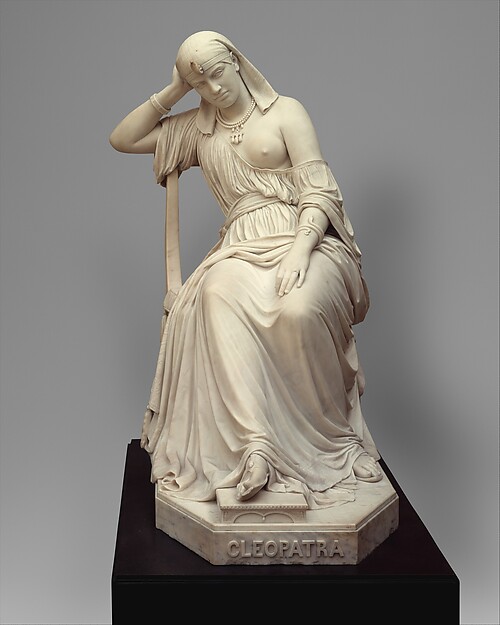
The asp and the evidence
The cobra hypothesis: threatened breathing, effective antivenom and an unresolved ancient death.
Read the case
An emperor must stand
An emperor’s final illness, and the danger of losses that continue to exceed replacement.
Read the case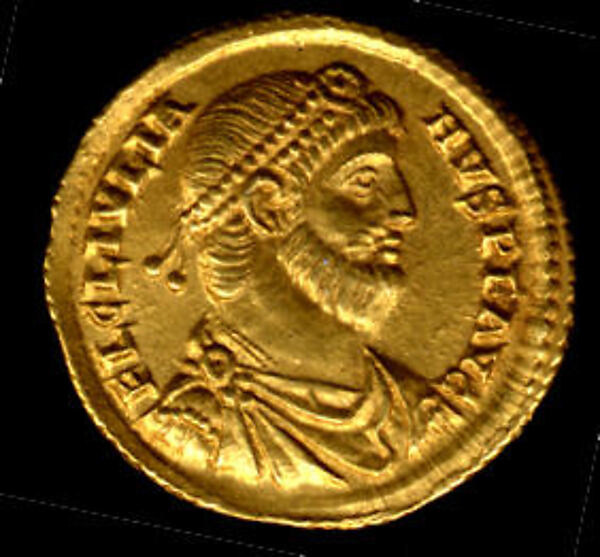
The wound beneath the ribs
A spear wound, a brief rally and the limits of reassurance after internal injury.
Read the case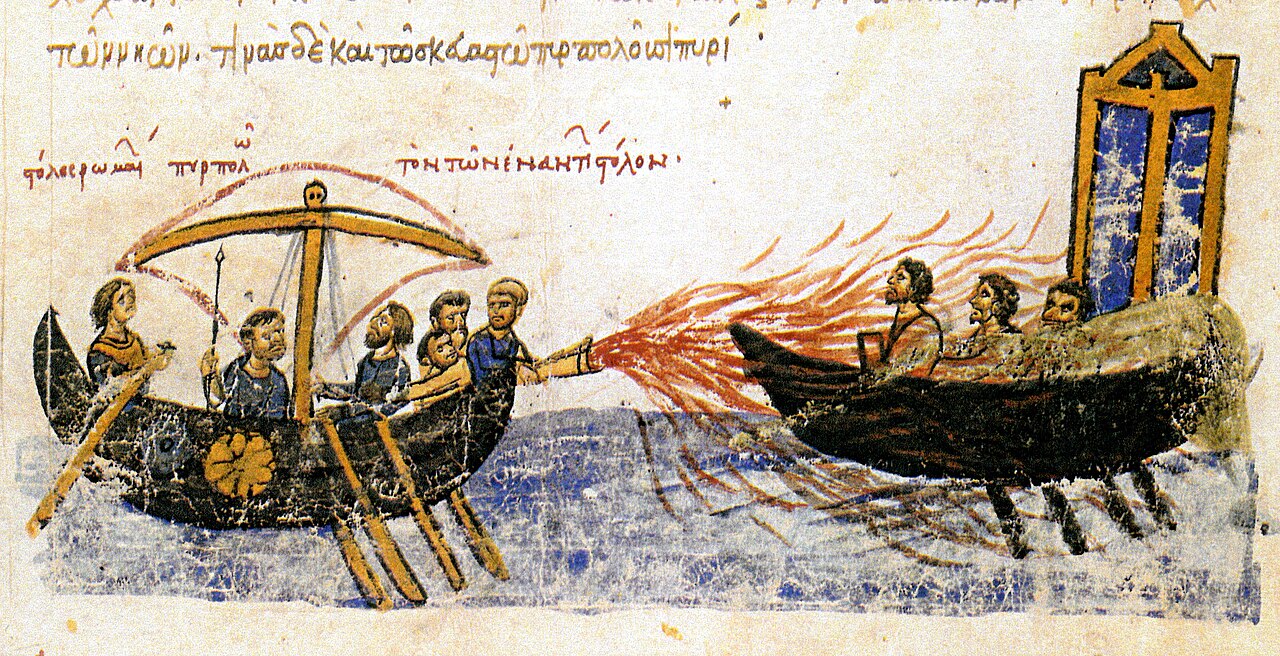
The fire off Rhodes
A reconstructed casualty of Greek fire: burned skin, a changing voice and the threatened airway.
Read the case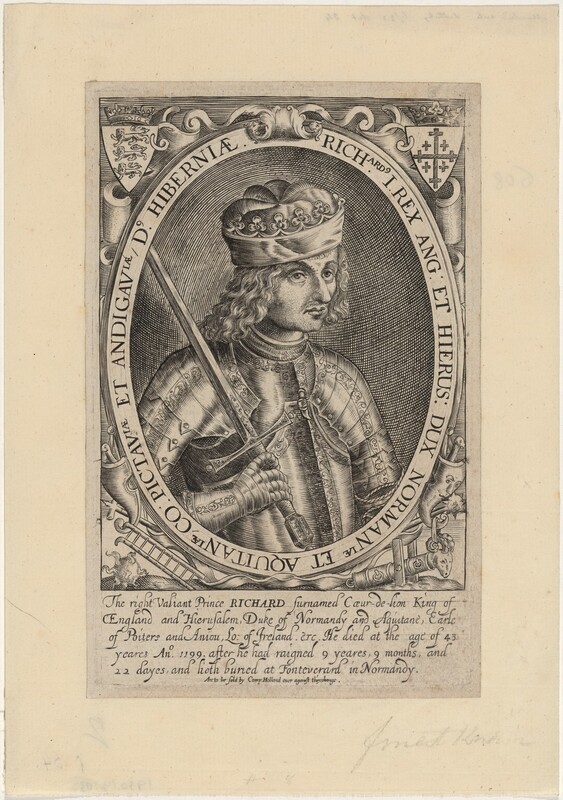
The wound at Châlus
A crossbow wound and a delayed death: contaminated tissue, infection and the need for source control.
Read the caseA note on the evidence
The accounts differ in detail and reliability. Each case distinguishes the surviving testimony from clinical interpretation. The sailor off Rhodes is a fictional casualty within a documented historical setting.
Modern treatment is considered conditionally. Unrecorded clinical findings are not attributed to the historical figures, and no probability of survival has been invented. Clinical sources and image provenance accompany every article.